Best AI Content Writing Software & Writing Assistants
Best AI Content Writing Software & Writing Assistants
What Is AI Content Writing Software?
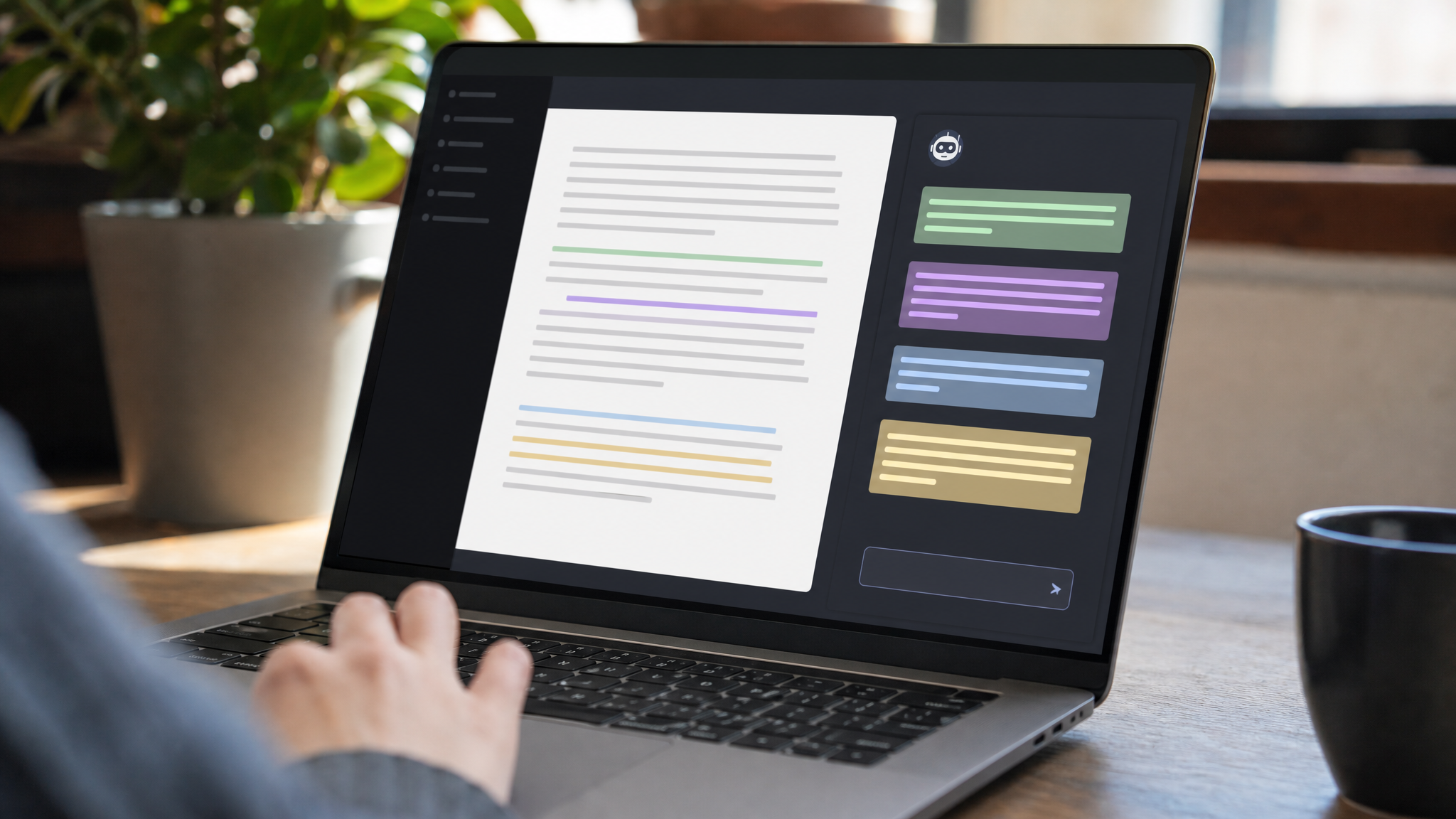
AI content writing software uses large language models to generate, edit, and optimize text at scale. Feed it a topic, a brief, or a rough draft, and it returns polished prose in seconds. That core capability has turned what was once a niche developer tool into a mainstream productivity layer for marketing teams, agencies, and solo creators alike.
How an AI Writer Assistant Works
A modern AI writer assistant is trained on vast corpora of text, learning grammar, style, tone, and factual patterns in the process. When you submit a prompt, the model predicts the most contextually appropriate words and structures them into coherent output. Better platforms layer on retrieval systems, brand-voice fine-tuning, and human feedback loops so the results feel less like a generic chatbot and more like a skilled collaborator who has actually read your style guide.
Most solutions today run as an AI writing website, meaning you log in through a browser, your drafts save to the cloud, and your team can collaborate without installing anything. That accessibility matters when you are coordinating writers, editors, and strategists across different time zones.
AI Writing Editor vs. Traditional Editors
A traditional text editor—Google Docs, Microsoft Word—gives you a blank canvas and a spell checker. An AI writing editor goes further: it flags passive voice, suggests stronger synonyms, scores readability, and can even recommend where to drop a target keyword to improve on-page SEO. The difference in editing speed is significant. Teams report cutting review cycles by 30–50% when they shift routine grammar and clarity passes to the AI layer and reserve human editors for judgment-heavy decisions.
Business Benefits and Use Cases
Blogging and SEO Content
Consistent publishing is the single biggest driver of organic search growth, and consistency is exactly where human-only teams hit a wall. AI content writing software lets you scale article production without sacrificing brand voice. A team that published four posts a month can realistically hit twelve to sixteen once it adds AI drafting to the workflow. Beyond volume, good writing AI software helps with keyword placement, internal link suggestions, and meta descriptions—the on-page elements that compound over time.
Marketing and Sales Enablement
Speed matters in sales cycles. When a product launches or a competitor makes a move, your team needs landing pages, email sequences, and ad copy yesterday. Writing assistant software shortens the time from brief to first draft from hours to minutes. You can repurpose a single long-form article into a LinkedIn carousel, a nurture email, and a short-form ad in one session—something that previously required three separate briefing rounds.
Documentation and Support
Product documentation, help articles, and knowledge-base content are unglamorous but essential. They reduce support ticket volume and improve customer satisfaction scores. AI writing aids handle the first-draft burden for these repetitive, structured documents, freeing technical writers to focus on accuracy and edge-case coverage rather than formatting boilerplate.
How to Choose the Best Writing Assistant Software
Core Features to Prioritize
Model quality is the obvious starting point: does the output actually sound human, stay factually grounded, and adapt to different tones? Beyond that, look for brand-voice training—the ability to upload your style guide or sample content so the tool mirrors your voice rather than a generic corporate one. Team collaboration features (shared projects, commenting, version history) separate professional-grade platforms from consumer apps.
Security, Compliance, and Data Controls
This is where many procurement conversations stall. Your content likely contains strategic information—upcoming campaigns, unreleased product details, customer insights. The best AI writer software for business deployments will carry SOC 2 Type II certification, GDPR compliance, and clear policies on whether your inputs are used to train the underlying model. Built-in plagiarism detection and originality checks are also non-negotiable, especially if you publish at volume.
Workflow and Integration Fit
A tool that lives in isolation from your stack will get abandoned within a month. Confirm that the platform integrates with your CMS (WordPress, Contentful, Webflow), your document layer (Google Docs, Notion), your browser via extension, and ideally your marketing automation or CRM. Usability and responsive support matter too—check G2 or Capterra reviews specifically for onboarding experience and how quickly the team ships new features.
Top Use-Case Picks: Best AI Writer Software by Need
Best for SEO Content Teams
Teams whose primary goal is organic traffic need an AI writing website with built-in SERP analysis, brief generation, and optimization scoring. Tools like Surfer SEO combined with an AI drafting layer, or all-in-one platforms like Jasper, are frequently shortlisted here. The key feature set: automated briefs, keyword density feedback, NLP term suggestions, and a content score that tracks against top-ranking pages.
Best for Sales and Marketing Copy
For conversion-focused copy—ads, landing pages, cold emails—look for platforms trained specifically on direct-response frameworks (AIDA, PAS, Before-After-Bridge). Copy.ai and Writesonic both have strong reputations in this category. Speed and template variety matter more than long-form depth; you want to generate ten headline variations in thirty seconds, not wait for a full article draft.
Best Lightweight Writing Assistant
Not every user needs enterprise horsepower. A freelancer polishing client emails or a startup founder drafting social posts needs a fast, affordable AI writer assistant with a clean interface. Rytr and QuillBot fill this niche well—low price points, intuitive UX, and enough customization to be genuinely useful without a steep learning curve.
Best Enterprise Writing AI Software
Large organizations need governance above all else: SSO, role-based permissions, admin dashboards, audit logs, and the ability to enforce style standards across hundreds of users. Writer (the platform) and Jasper's enterprise tier are built for this. They offer custom AI models trained on your brand, compliance controls, and dedicated customer success support—features that justify the higher seat cost when you are managing content at scale.
Pricing, ROI, and Licensing Considerations

Plan Types and Token Limits
Most AI content writing software follows a tiered model: a free plan with monthly word or token caps, a mid-tier pro plan running $20–$80 per user per month, and enterprise contracts priced on seat volume and custom features. Watch for add-ons that inflate costs—plagiarism checkers, SEO modules, and team workspaces are sometimes bundled, sometimes not. Map your expected monthly word volume against each plan's limits before signing.
Calculating Content ROI
The ROI case for writing AI software comes from three buckets: time saved, output volume, and conversion improvement. A content writer who produces one article per day might push to two or three with AI assistance—effectively doubling output without adding headcount. On the revenue side, faster content cadence compounds SEO rankings over six to twelve months, and better-optimized copy lifts email open rates and landing page conversions measurably. Build those numbers into your business case before comparing sticker prices.
Implementation Guide and Best Practices
Prompting and Templates
Quality output starts with quality input. Build a library of prompt templates for your most common content types—blog outlines, product descriptions, email subject lines—and include tone instructions, target keyword, audience persona, and word count in each one. Standardized prompts produce consistent, on-brand drafts from day one.
Human-in-the-Loop Editing
AI drafts are a starting point, not a finish line. Build an approval workflow where a human editor fact-checks claims, adds proprietary insights, and verifies any statistics before publication. This is especially critical for YMYL (Your Money or Your Life) topics where accuracy directly affects reader decisions.
Quality and Brand Governance
Store your style guide within the AI writing editor or platform so every team member pulls from the same source of truth. Track KPIs monthly—publish frequency, keyword rankings, click-through rates, and conversion lift—to measure whether the tool is actually moving the needle. Run quarterly audits to refresh prompts, update keyword targets, and realign brand voice as your company evolves.
FAQs on AI Writing Aids and Content Safety
Can AI content writing hurt SEO? Not when done properly. Google's guidance focuses on helpfulness, not the production method. Prioritize original analysis, E-E-A-T signals, and cite credible sources to keep rankings healthy.
How do tools handle plagiarism? Most reputable platforms include built-in detectors that flag similarity before you publish. Use them every time, and use the rewrite function on any flagged passages.
Will AI replace writers? No—it augments them. Strategy, subject-matter expertise, and editorial judgment remain human responsibilities. The best writing assistant software frees writers from mechanical tasks so they can focus on higher-value work.
Is data safe? It depends on the vendor. Choose platforms with enterprise-grade security, explicit data retention policies, and a commitment not to train their models on your proprietary inputs.
Which tool is the best writing AI software? There is no universal answer. The right choice depends on your content goals, team size, tech stack, and compliance requirements. Use the framework in this guide to shortlist two or three candidates, run a structured trial, and let the data decide.