Best Keyword Research Tools: Find Profitable Keywords
Best Keyword Research Tools: Find Profitable Keywords
Ranking on page one means nothing if you're targeting the wrong terms. Before writing a single piece of content or launching a paid campaign, you need to know what your audience actually types into search engines — and whether those terms are worth pursuing. That's exactly what keyword research tools are built for.
What Are Keyword Research Tools?
Core Functions
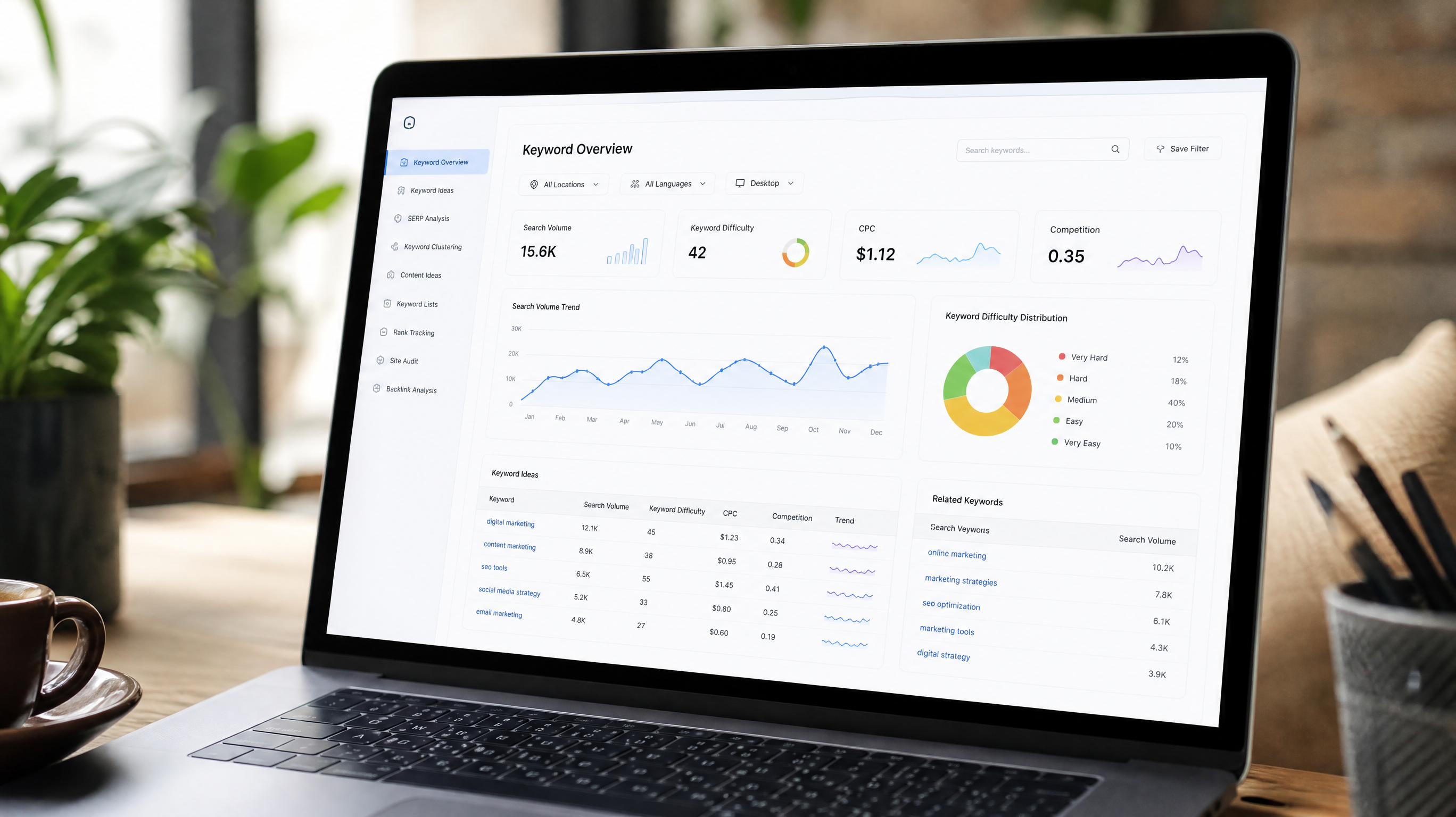
A keyword research tool collects and surfaces data about search terms: how often people search them, how difficult they are to rank for, what they cost per click in paid ads, and how they trend over time. At their core, these platforms help marketers make decisions grounded in real search behavior rather than guesswork.
The outputs that matter most are monthly search volume, keyword difficulty scores, CPC estimates, SERP feature data, and trend lines. Without those signals, you're essentially writing content and bidding on ads blindly.
Tool Categories
Not every tool does the same job. A keyword finder focuses on discovering new search terms you might not have considered. A keyword suggestion tool expands a short seed phrase into dozens or hundreds of related variants. Competitive intelligence platforms like Keyword Spy dig into what rivals are bidding on and ranking for. Then there are all-in-one suites that bundle all of these functions under one subscription.
Commercial teams generally need accuracy over volume, clean export options, and integrations that push data directly into content management or analytics platforms. Understanding which category fits your workflow is the first decision to make.
Top Keyword Research Tools Compared
Google Keyword Planner
Google Keyword Planner — often called a keyword tool planner — remains the most widely used free option, and for good reason: the data comes straight from Google's ad network. Type in a seed term and you'll get keyword ideas, historical volume ranges, and CPC estimates tied to real advertiser activity.
The catch is well known. Unless you're actively running Google Ads with meaningful spend, the tool buckets search volumes into broad ranges like "1K–10K" rather than precise monthly figures. That's serviceable for directional research but frustrating when you're trying to prioritize between two similar terms. Despite this limitation, it's an essential starting point, especially for localized or niche markets where third-party databases can be thin.
Keyword Tool Dominator
Keyword Tool Dominator takes a different approach by mining autosuggest data from marketplaces and platforms like Amazon, Etsy, YouTube, Walmart, and Google. Instead of pulling from an ad network database, it captures the actual search suggestions those platforms surface to real users as they type.
This makes it particularly powerful for e-commerce and content creators. If you sell handmade goods on Etsy, knowing exactly what buyers type into that search bar is more valuable than generic Google volume data. The tool excels at generating long-tail variations and niche-specific phrases that broader platforms tend to miss.
Keyword Revealer and Keyword Spy
Keyword Revealer is built around keyword difficulty scoring. It assigns each term a score based on the competitive strength of the pages currently ranking, helping you identify winnable opportunities faster. The interface is straightforward, and the difficulty calculations are transparent enough to trust for prioritization decisions.
Keyword Spy sits in a different lane — competitive intelligence. It maps out the organic and paid keyword strategies of competing domains, showing which terms they rank for, what ads they're running, and how their traffic breaks down. For teams doing PPC research or trying to reverse-engineer a competitor's content strategy, Keyword Spy provides visibility that most standard research tools don't offer.
All-in-One Suites vs. Single-Purpose Tools
Platforms like Ahrefs, Semrush, and Moz bundle keyword research, site auditing, backlink analysis, and rank tracking into one subscription. They're comprehensive but priced accordingly — often $100–$500 per month depending on the plan. Single-purpose tools like Keyword Revealer or Keyword Tool Dominator cost significantly less and do their specific job well.
The right choice depends on how deeply you need to go. An agency managing 20 client campaigns will extract full value from a suite. A small business owner researching one niche might be better served by combining Google Keyword Planner with one focused paid tool.
How to Choose the Right Keyword Tool for Your Niche
Evaluation Criteria
Volume accuracy is the non-negotiable. A tool that overestimates search volume will send you chasing terms that deliver no traffic. Check whether the database covers your target language and geography — some platforms are heavily weighted toward English-speaking markets and underrepresent regional search behavior.
Beyond volume, look at keyword difficulty metrics (and understand how the tool calculates them), SERP feature analysis, filtering options, and whether an API is available for automation. Grouping and clustering features save significant manual effort when you're organizing content calendars.
Match to Use Cases
E-commerce teams should prioritize tools with marketplace autosuggest data and buying-intent filters. Content marketers need strong topic clustering and question-based keyword discovery. PPC managers need accurate CPC data and competitive ad intelligence — that's where Keyword Spy earns its place.
Every serious contender offers a free trial or a free tier. Use them. Run the same seed terms through two or three tools and compare the outputs before spending a dollar on a subscription.
Step-by-Step Workflow to Generate Keyword Ideas
Seed and Expand
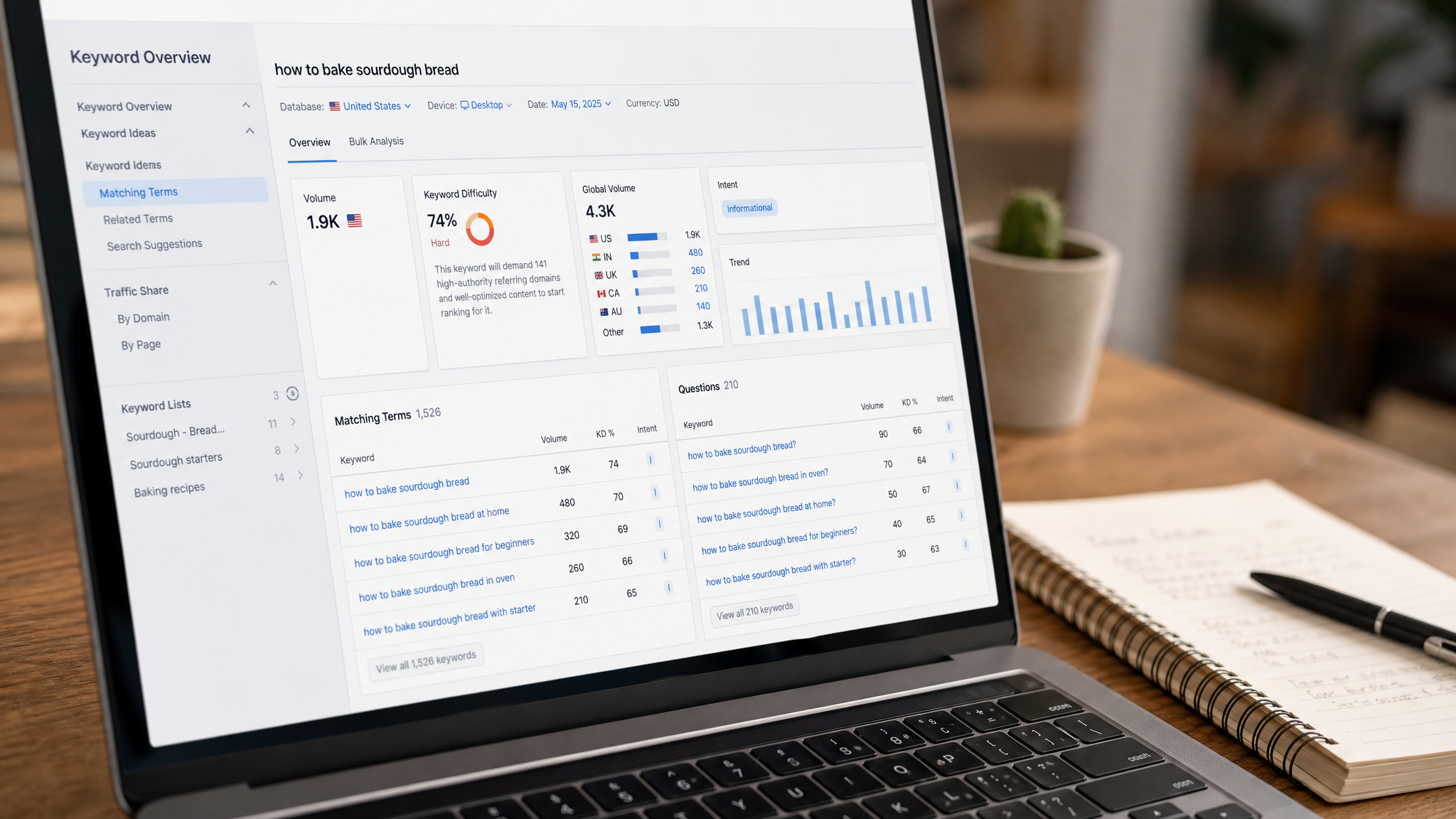
Start with five to ten seed terms that describe your product, service, or topic at the broadest level. Feed them into a keyword suggestion tool and let it generate variants, questions, and related phrases. Pull what keyword ideas Google autosuggest provides through Keyword Tool Dominator or directly through the Keyword Planner, then layer those results together.
Analyze and Validate
Raw keyword lists are just noise until you validate intent. Check the SERP for each term — are the results informational articles, product pages, or local listings? A term with 5,000 monthly searches dominated by Reddit threads and forum posts signals weak commercial intent, regardless of the volume. Competitor content depth matters too; if the top three results are 3,000-word guides, a 600-word post won't compete.
Cluster and Prioritize
Group related terms by topic and funnel stage — awareness, consideration, and conversion. Prioritize high-intent terms where your domain can realistically rank within three to six months. Keyword difficulty scores from tools like Keyword Revealer help make that call faster. Don't ignore low-volume, high-conversion terms; a keyword with 200 monthly searches that converts at 8% beats a 2,000-search term that converts at 0.5%.
Export and Integrate
Export your finalized list to a spreadsheet or directly into your SEO platform. Tag each keyword with its cluster, funnel stage, target URL, and assigned writer. This turns keyword research from a one-time task into a living content roadmap that the whole team can reference.
Pricing, Trials, and ROI Considerations
Budgets and Limits
Before committing to a paid plan, audit the limits: How many keyword lookups per day? How many projects? What are the export restrictions? Some tools cap exports on entry-tier plans, which becomes a serious bottleneck at scale. Annual billing typically reduces monthly costs by 15–25%, and most reputable platforms offer a 7- to 14-day trial.
A practical stack for most small to mid-sized businesses: Google Keyword Planner for free baseline data, Keyword Tool Dominator for autosuggest mining, and either Keyword Revealer or a lite-tier suite for difficulty scoring and competitive context. That combination covers the core needs without overspending.
Measuring Impact
ROI from keyword research is measurable. Track organic traffic value (estimated traffic × average CPC for those terms), lead quality from organic channels, and CPA improvements in paid campaigns after refining keyword targeting. Teams that refresh their keyword research regularly see compounding returns as they accumulate rankings on well-chosen terms.
Frequently Asked Questions about Keyword Tool Finders
Are free keyword tools enough? Free tools like Google Keyword Planner surface solid directional data, but the volume bucketing and limited competitive insights make them insufficient for serious SEO or PPC work on their own. Paid tools improve accuracy and depth considerably.
Which tool is best for competitors? Keyword Spy remains one of the most focused options for competitive keyword intelligence, particularly for uncovering paid search strategies. Pairing it with SERP analysis from a suite gives a fuller picture.
How often should I refresh keywords? Quarterly reviews catch most shifts. Refresh more frequently after major algorithm updates, significant seasonal swings, or when a new competitor enters your market.
Do I need multiple tools? Usually, yes. A keyword finder for discovery, a keyword tool planner for volume context, and a competitive intelligence tool together cover what no single platform handles perfectly. The overlap is worth it.