Best AI SEO Tools: Top Software, Features, and Pricing (2026)

Best AI SEO Tools: Top Software, Features, and Pricing (2026)
Search has changed faster in the last two years than in the previous decade. AI-powered features in Google, zero-click results, and an explosion of competing content mean that teams relying on manual keyword spreadsheets and gut-feel briefs are already falling behind. The right AI SEO software compresses weeks of research into hours and surfaces opportunities that human analysts would simply miss at scale.
This guide cuts through the noise: what these tools actually do, how to pick the right one, and what you should expect to pay.
What Are AI SEO Tools and How They Work
Core Capabilities
Modern AI SEO tools combine natural language processing and machine learning to automate the most time-consuming parts of organic search work. That means keyword clustering, search-intent mapping, content scoring, technical issue detection, and even outreach personalization — all driven by data rather than guesswork.
The best platforms pull together signals from multiple sources at once: SERP snapshots, Google Search Console, Google Analytics 4, third-party crawl data, and backlink indexes. By triangulating these datasets, the software can surface content gaps, flag cannibalization, and generate structured briefs without an analyst spending three hours in a spreadsheet.
Who Benefits Most
Growth teams managing large content programs get the most immediate lift. An e-commerce brand publishing 200 category pages a month, a SaaS company running a high-volume blog, or an agency handling 30 client domains simultaneously — all of them benefit from scalable, repeatable workflows that AI makes possible.
Smaller teams benefit too, but differently. A two-person startup can use the best AI for SEO to punch above its weight, producing research-backed content that used to require a full editorial department.
Limitations to Note
AI suggests; humans decide. That distinction matters for E-E-A-T content — anything touching health, finance, legal, or personal safety still needs expert review before it publishes. Brand voice is another gap: even the most sophisticated content tools generate generic prose unless they're given explicit style guidelines. Treat AI output as a strong first draft, not a finished product.
How to Choose the Best AI SEO Software
Evaluation Criteria
Start by anchoring your evaluation to a specific goal. Are you trying to increase content velocity? Improve technical health across a large site? Scale link prospecting? Different objectives point to different tools, and buying a platform that solves three problems poorly is worse than one that solves your core problem exceptionally well.
Data Quality and Transparency
Data freshness and source transparency separate reliable tools from flashy ones. Check how often keyword databases update, where crawl data originates, and whether the platform explains its recommendations or just issues directives. Model explainability matters more as teams scale — if your SEO lead can't explain why the tool recommended a cluster, governance becomes a problem.
Integrations and Workflow Fit
Native connections to GA4, GSC, your CMS, and your crawl solution aren't nice-to-haves anymore — they're table stakes for any tool claiming to be among the best SEO AI tools available. Look at the API documentation, check whether the platform supports multi-workspace setups, and count how many user seats come with each plan before you sign a contract.
Best AI SEO Tools by Use Case
Keyword Research and Clustering
Tools in this category go beyond pulling search volume. They group keywords by intent, map them to funnel stages, and identify SERP features worth targeting. Semrush's keyword clustering, Ahrefs' AI-powered content gap analysis, and purpose-built tools like Keyword Insights automate what used to take a full afternoon of manual pivot-table work. The output is a prioritized cluster map that connects directly to your content calendar.
Content Optimization and Briefs
Platforms like Surfer SEO, Clearscope, and MarketMuse generate briefs that include recommended headings, target entities, semantic keywords, and content length benchmarks derived from top-ranking pages. Real-time on-page scoring as you write — or as your writers work — closes the feedback loop that typically only happened after a post went live and traffic data came in weeks later.
Technical SEO and Audits
Screaming Frog with AI augmentation, Sitebulb, and enterprise tools like Botify use machine learning to triage technical issues by revenue impact rather than severity alone. Automated schema suggestions, internal linking recommendations based on topical authority, and crawl budget optimization are areas where the best AI SEO software genuinely saves engineering time.
Digital PR and Link Building
AI has made link prospecting meaningfully faster. Tools like Respona and Pitchbox analyze target sites, identify relevant editors, and personalize outreach at scale. Entity-based PR angle generation — identifying which story angles align with a brand's topical authority — is an emerging capability that ambitious link-building programs are already running in production.
Feature Comparison of the Best SEO AI Tools
Standout Features to Compare
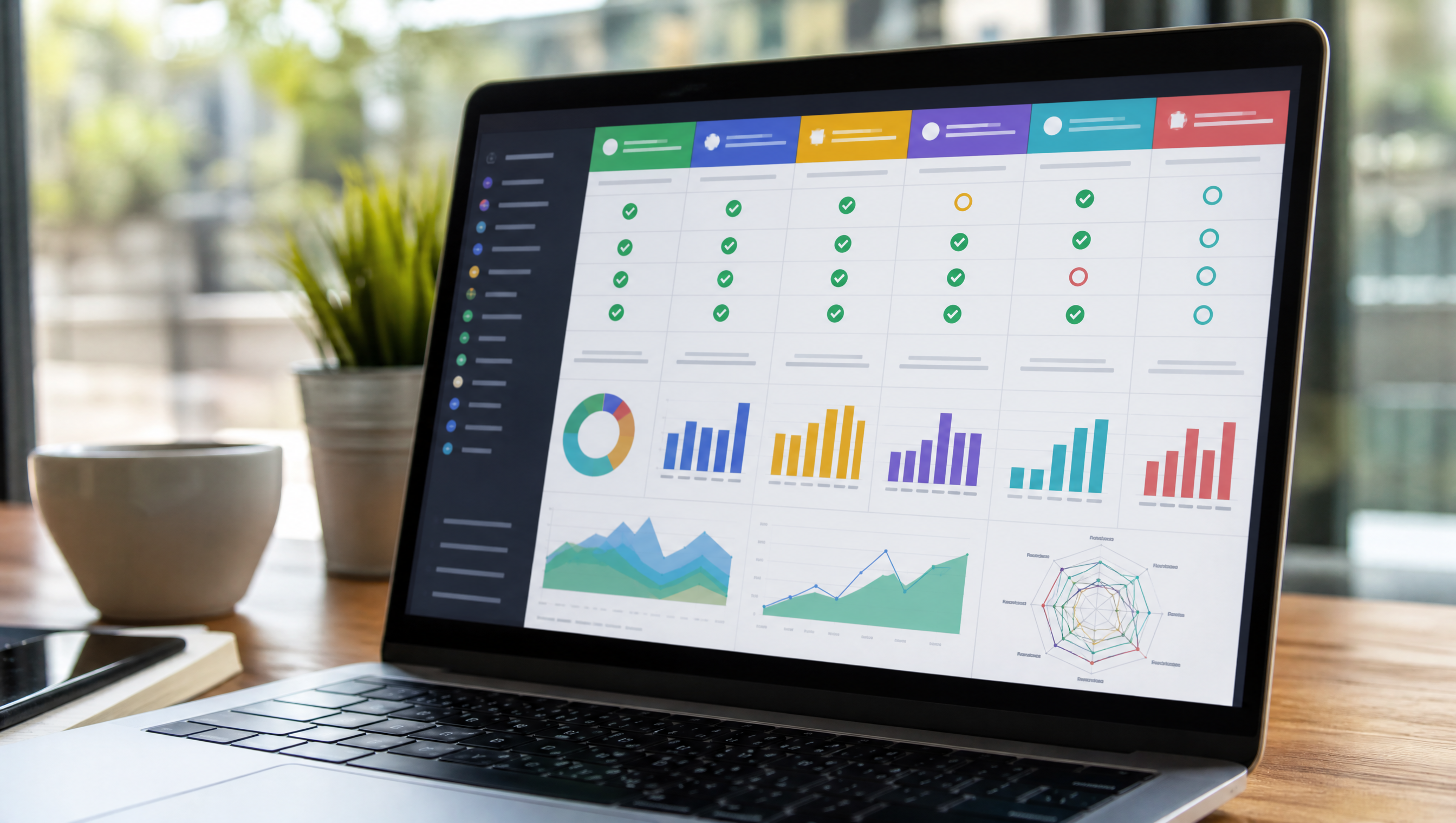
When evaluating the best SEO AI, prioritize four capabilities: depth of SERP analysis, quality of content scoring, sophistication of internal linking automation, and the presence of agentic AI features that can run multi-step workflows without constant human input. That last point is the frontier right now — platforms are moving from recommendation engines to autonomous agents that execute tasks end-to-end.
Pros and Cons to Weigh
Speed and automation come at a cost. Highly automated tools can produce content that lacks differentiation or pushes keyword density in ways that look mechanical to both readers and crawlers. The best AI tools for SEO strike a balance: they accelerate research and structure while leaving creative and editorial judgment to your team.
Accuracy is another variable. AI keyword difficulty scores can diverge significantly between platforms — sometimes by 20 to 30 points for the same query. Cross-reference recommendations across at least two sources before committing budget to a cluster.
Who Each Tool Is Best for
Surfer SEO and Clearscope suit content teams focused on on-page optimization. Ahrefs and Semrush remain the strongest all-around platforms for research-heavy programs. Botify and Lumar serve enterprise technical SEO at scale. For agencies managing dozens of clients, SE Ranking and Mangools offer the best balance of capability and cost per seat.
Pricing and Plans for the Best AI for SEO Software
Free vs. Paid Tiers
Free plans exist primarily for testing. Google Search Console and Google Analytics 4 are genuinely free and essential baselines. Ahrefs offers a free tier with limited data; Semrush's free account allows a handful of daily queries. For any meaningful production use, expect to pay.
Licensing and Limits
Paid plans on major platforms start between $49 and $129 per month for solo users and climb to $400–$900 per month for team plans. Enterprise contracts for platforms like Botify or BrightEdge are custom-quoted and typically run five to six figures annually. The critical variables are AI writing credits, monthly keyword pulls, crawl limits, and the number of projects or domains you can track.
Hidden Costs to Watch
Credits deplete faster than most buyers expect. A content team running 50 briefs a month will blow through entry-level AI writing allowances in under two weeks. Check API access pricing separately — it's often gated behind higher tiers or charged per call. SSO, advanced audit depth, and dedicated support are common upsells worth factoring into total cost of ownership before signing.
Implementation Checklist to Maximize ROI with AI SEO
Setup and Governance
Before scaling any workflow, document your brand voice guidelines, E-E-A-T review requirements, and content approval process. AI amplifies whatever system you feed it — a poorly defined brief template at scale produces mediocre content at scale.
Operational Workflow
Build a repeatable pipeline: keyword research feeds into cluster prioritization, which generates briefs, which flow to writers or AI drafting tools, which then pass through editorial review and on-page optimization before publish. Every handoff should be defined so the workflow survives team changes.
Measurement and Iteration
Connect your tool stack to GA4 and GSC from day one. Track clicks, impressions, and conversions at the content cluster level, not just individual URLs. Run quarterly audits comparing AI-assisted content against historically produced pages — the data will tell you where to tighten prompts, adjust review processes, or switch tools entirely.
The best AI SEO solutions aren't static purchases; they're platforms you tune over time. Teams that iterate on their prompts, update their guidelines quarterly, and test new features as they ship consistently outperform those that set up a workflow once and walk away.